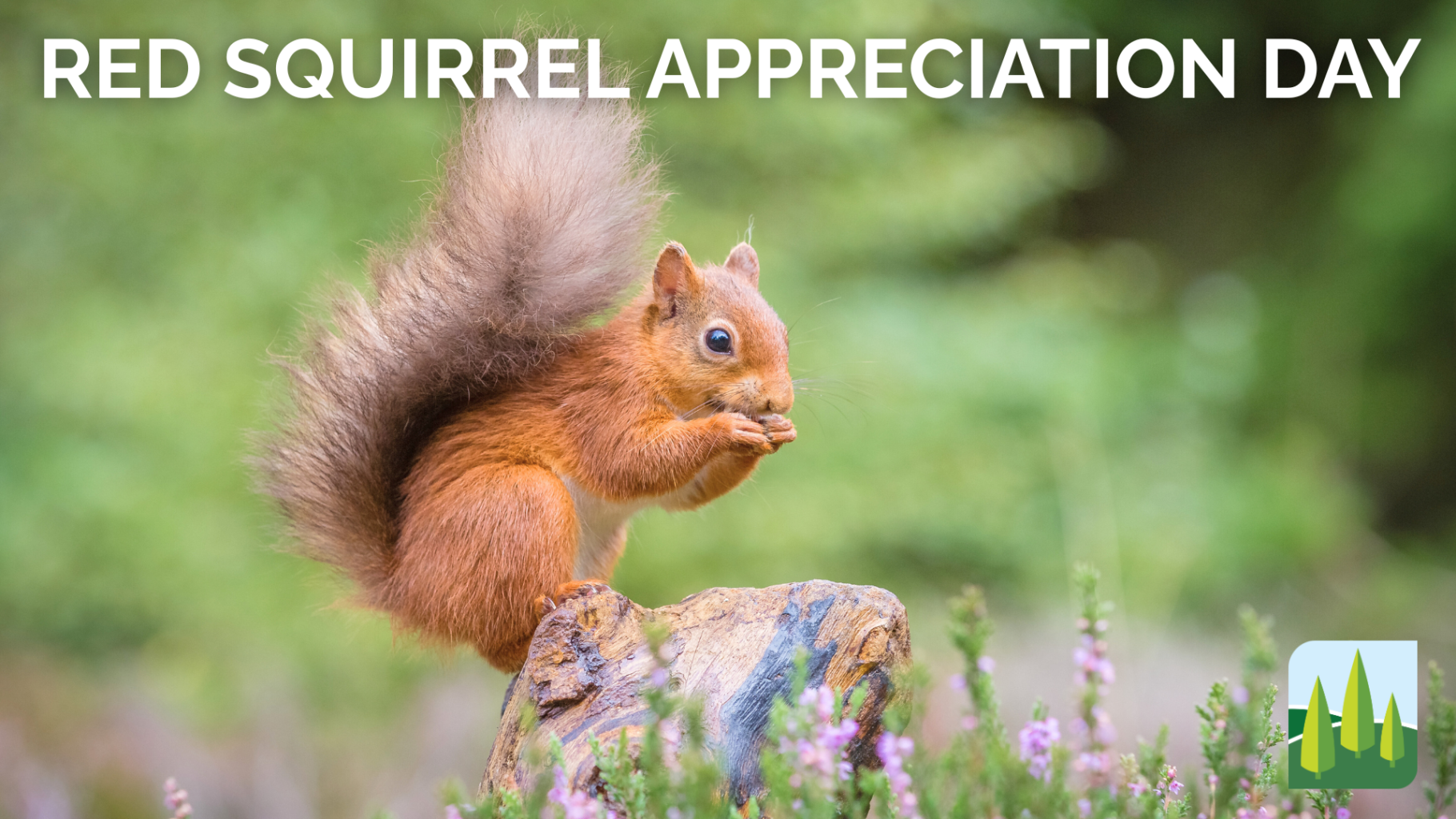
Red Squirrel Appreciation Day, held annually on 21 January, is an opportunity to highlight one of the UK’s most recognisable native mammals — and the challenges it continues to face in the wild.
For many people, seeing a red squirrel is a fleeting moment: a flash of russet fur in the trees or a glimpse of a distinctive bushy tail before it disappears. This is perhaps not surprising, as red squirrels, once widespread across the UK, are now restricted to far smaller areas.
Today, red squirrels are found mainly in pockets of native woodland in the North West of England, parts of Wales, several offshore islands, and most significantly, Scotland, which is home to around 75% of the remaining population. Even so, total numbers are estimated at fewer than 30,000, compared with over 2.7 million grey squirrels.
———————————————————————————–
One of the main reasons grey squirrels have outcompeted red squirrels is diet. Grey squirrels are able to digest a much wider range of food thanks to differences in gut bacteria, including tree bark. This behaviour can cause serious damage to trees, leaving them vulnerable to disease and reducing their overall ecological value.
Red squirrels, on the other hand, depend on a more specialist diet. They feed primarily on:
Seeds from pine and spruce
Berries and fungi
Fresh green shoots from trees and shrubs
Because of this, the structure and species mix of woodlands is critical to their survival.
———————————————————————————–
Well-planned planting and sensitive woodland management can make a real difference to red squirrel populations. Woodlands that support reds typically include:
A mix of coniferous and deciduous trees, ensuring food availability throughout the year
Continuous canopy cover, allowing squirrels to move safely through the woodland
Ground cover, such as brambles, which provides shelter and seasonal food
A multi-age woodland structure, supporting long-term resilience
When carrying out woodland work, timing is also important. Wherever possible, felling and major operations should take place outside the squirrel nesting season to reduce disturbance.
———————————————————————————–
For those hoping to see red squirrels, there are several conservation and breeding programmes around the country. One such initiative can be found at the Yorkshire Arboretum at Castle Howard, near Pickering.
Here, red squirrels are kept in a managed enclosure during breeding, with young squirrels later released into suitable habitats across the UK. The arboretum is open to visitors from March onwards, offering a rare chance to observe this native species up close.
———————————————————————————–
At Johnsons Nurseries, we work closely with landscapers, conservation bodies, estates, and local authorities to supply native woodland trees and shrubs for habitat creation, restoration, and long-term woodland management.
Red Squirrel Appreciation Day is a reminder that planting choices matter. By creating diverse, well-structured woodlands using the right mix of species, we can help support not just red squirrels, but a wide range of native wildlife.
If you’re planning a woodland or habitat project and would like advice on suitable planting, our team is always happy to help.
Posted 20th Jan 1:56pm


